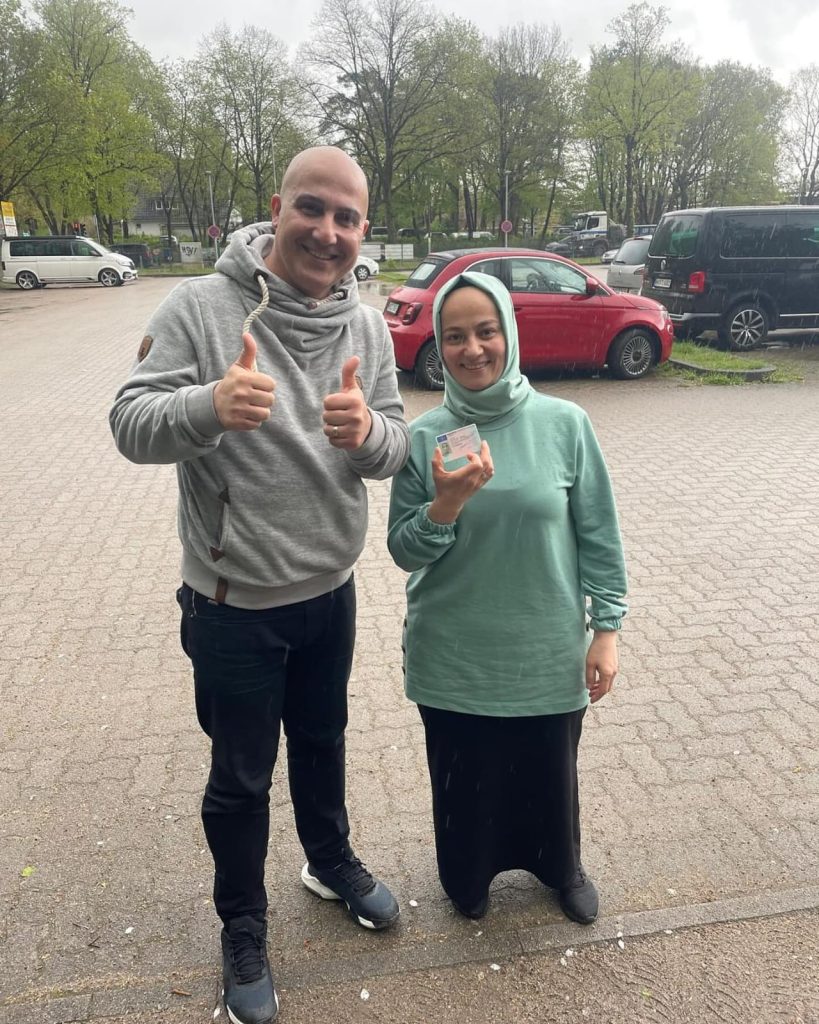
Experiences Buying a Driver's License Legally
Getting a motorist's license is a rite of passage for lots of people, marking the shift into their adult years and offering newfound flexibility. Nevertheless, the process can sometimes feel frustrating, particularly for young applicants or those relocating to a brand-new country. This blog post aims to offer helpful insights into the experiences associated with getting a chauffeur's license legally. By breaking down stay with me into workable actions and supplying practical resources, this guide can help readers in navigating the sometimes complicated world of chauffeur's licensing.
Comprehending the License Categories
Before diving into the specifics of the application process, it is vital to understand the different types of chauffeur's licenses offered. Below is a table that classifies licenses based upon their meant usage:
| License Type | Description |
|---|---|
| Class A | Needed for operating heavy trucks and trailers |
| Class B | Required for driving buses, bigger automobiles, and heavy devices |
| Class C | Requirement license for individual vehicles |
| Class D | A driver's license without any restrictions; appropriate in most states |
| Learner's Permit | Short-term license enabling new motorists to practice under guidance |
| Motorcycle License | Specialized license for riding motorbikes |
Comprehending which classification applies to your situation will assist improve the application procedure.
Steps to Obtain a Driver's License
While the procedure may vary from state to state or country to nation, there are generally a number of necessary steps to follow when obtaining a motorist's license legally:
1. Application
- Fill out the required application offered through your regional Department of Motor Vehicles (DMV) or pertinent licensing authority.
- Suggestion: Double-check that all details is complete to avoid delays.
2. Documentation
- Gather essential files, which commonly consist of:
- Proof of identity (e.g., passport or birth certificate)
- Proof of residency (e.g., energy costs)
- Social Security number (if appropriate)
- Note: Each state may have specific documents requirements; consult your local DMV website.
3. Written Test
- Set up and take the composed understanding test, which covers guidelines of the road and safe driving practices.
- Beneficial Resource: Online practice tests can help you prepare.
4. Vision Test
- Undergo a vision test to ensure you fulfill safety requirements.
- If you require corrective lenses, be prepared to take the test with them.
5. Driving Test
- Once you pass the written test, schedule your driving test.
- Bring your own automobile or utilize one offered by your driving school.
- Pointer: Practice with a certified motorist beforehand to build self-confidence.
6. Payment
- Pay any appropriate charges, which can vary based upon your location and the kind of license being issued.
7. Receive Your License
- After passing all tests and submitting the required paperwork, you will get your motorist's license.
- It may be issued instantly, or you may receive a momentary license until your main card shows up by mail.
8. Insurance coverage
- Get car insurance coverage, which is frequently a legal requirement before driving on public roads.
Common Challenges
While the process of getting a motorist's license is uncomplicated, applicants may encounter numerous obstacles along the method:
| Challenge | Option |
|---|---|
| Long wait times | Schedule consultations throughout off-peak hours, frequently early in the day or midweek |
| Test anxiety | Practice under test conditions; think about taking a driving course |
| File issues | Double-check all documents before your consultation to ensure compliance |
| Language barriers | Usage translation services if needed; lots of DMVs have multi-language assistance |
FAQ
1. For how long does it require to get a driver's license?
The time frame can differ substantially based upon your place, the expedience of the DMV, and whether you require to complete a student's authorization phase. Typically, from application to getting the license, it can take anywhere from a few weeks to a number of months.
2. What if I fail the driving test?
If you do not pass the driving test, many states offer you with the capability to retake it, often requiring a waiting duration. Use this time to practice and prepare to increase your possibilities of success on the next effort.
3. Can enquiry drive while my application is being processed?
In lots of places, you might be issued a short-term driving permit while your application is under evaluation. However, guidelines differ by state, so it's best to confirm with your regional DMV.
4. What if I lose my license?
If you lose your chauffeur's license, you will generally need to report the loss to your local DMV and apply for a replacement. This process frequently involves completing a kind and paying a small charge.
5. Exist fees for taking the tests?
Yes, many states charge costs for both the composed and driving tests, along with for obtaining the license itself. These charges can vary, so talk to your regional DMV for particular amounts.
Obtaining a motorist's license can be a considerable milestone filled with enjoyment and anticipation. However, it is essential to approach the procedure thoughtfully and be gotten ready for the various requirements involved. From comprehending license categories to effectively passing tests, remaining organized and notified can significantly improve the general experience.
Empowering yourself with the best knowledge will not just assist expedite your journey to obtaining a motorist's license but will also enrich your understanding of responsible driving. Safe takes a trip on the roadway ahead!